Located on the Indo-Nepal border in the district Lakhimpur-Kheri in Uttar Pradesh, Dudhwa National Park, together with Kishanpur and Katerniaghat Wildlife Sanctuaries, represent the best natural forests and grasslands left in the Terai region of Uttar Pradesh.
The three Protected Areas, being the last viable home of the Royal Bengal Tiger in the state, have been jointly constituted into Dudhwa Tiger Reserve under Project Tiger. Kishanpur (204 sq km), the oldest of the three PAs, was declared a Wildlife Sanctuary in 1972, followed by Katerniaghat (440 sq km) in 1975 and finally Dudhwa National Park (680 sq km) in 1977. Though the 3 PAs are physically separate, each consists of unbroken tracts of dense forests. These terai ecosystems are highly productive habitats of diverse flora and fauna and home to a considerable number of obligate species and species of restricted distribution.
Kishanpur Wildlife Sanctuary (204 sq km) — 1972
Katerniaghat Wildlife Sanctuary (440 sq km) — 1975
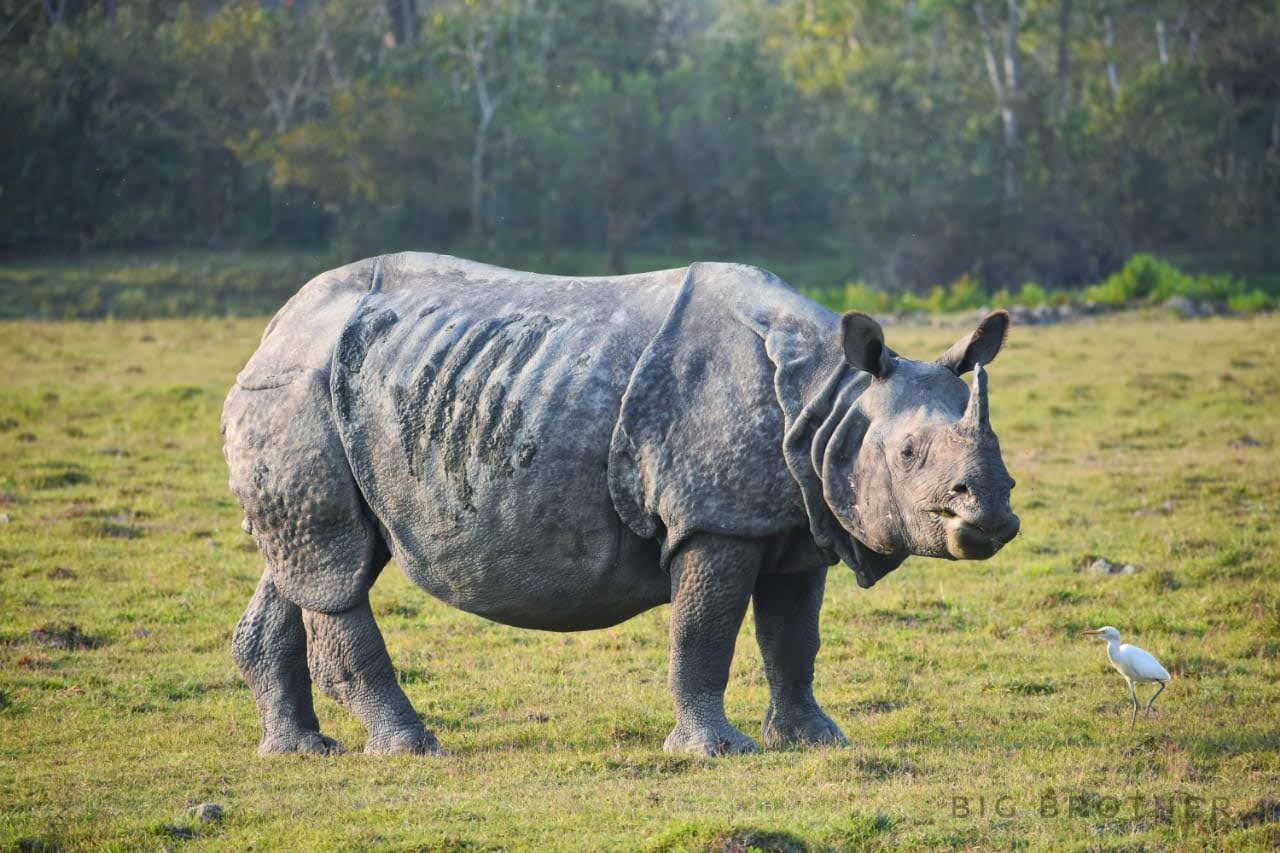
Dudhwa National Park is the only home of the greater one-horned rhinoceros in Uttar Pradesh. Reintroduced in 1984, these rhinos now graze the Sonaripur grasslands. Join a Dudhwa rhino safari for the best chance of rhino spotting and wildlife photography.
Dudhwa National Park forest rest house booking. You can book dudhwa national park forest rest house online with us and direct to forest department of Uttar Pradesh. Check out Hotels in Dudhwa..
Safari in Dudhwa is the best option for the wildlife lovers to catch the amazing species of the dense ambience. Jeep safari in Dudhwa could prove as the perfect option for a wildlife safari.
At the entry point itself, the visitors will find numerous stalls and small shops, require during safari, such as scarves, hats, goggles, etc. Adjacent to the park, a small town Palia; one can buy…
Caution & Note: You are governed by the rules and regulation of the Wildlife Protection Act inside Dudhwa Tiger Reserve so follow all the rules. Click the Read more button to know more
Nature has endowed India with a magnificent asset of flora & fauna. There are more than 500 species of mammals found in Indian region. They include the Elephant, the Gaur, the Great Indian Rhinoceros,
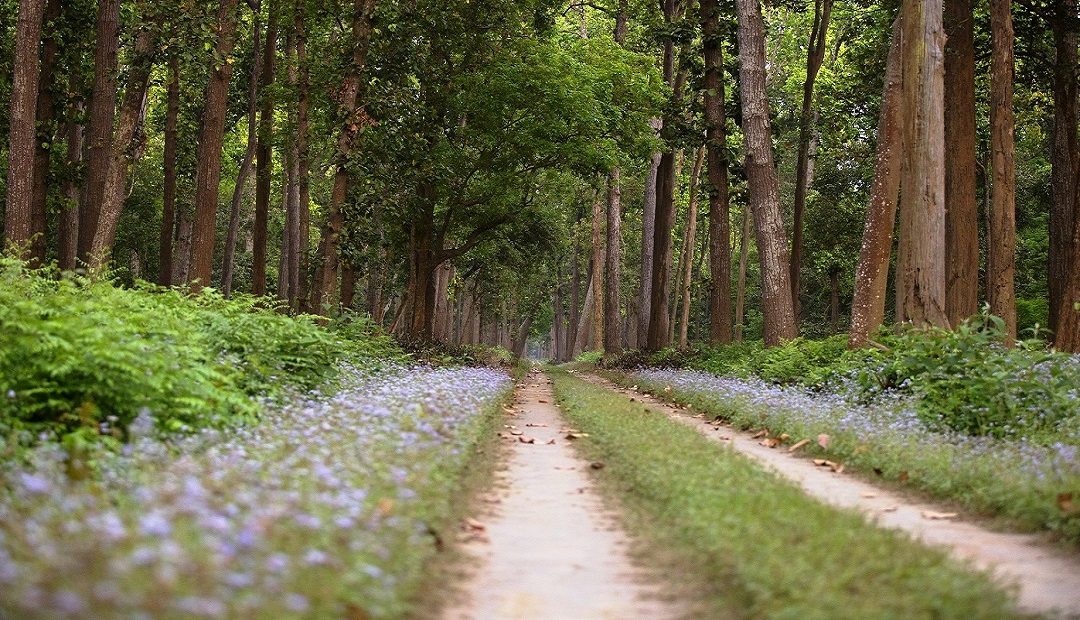
The vegetation is of the North Indian Moist Deciduous type, containing some of the finest examples of Sal forests (Shorea robusta) in India, as well the most extensive tracts of moist grasslands that remain in this region.
The fauna includes, apartfrom sizable populations of Tiger (Panthera tigris) and Leopard, a viable population of a nominate sub-species of the Swamp deer or Barasingha (Cervus duvauceli duvauceli), a population of Indian One-horned Rhinoceros successfully reintroduced in 1984, and certain critically endangered species like the Bengal Florican (Houbaropsis bengalensis) and the Hispid Hare (Caprolagus hispidus), adding to the marvel of Dudhwa.
There is an enviable bird life with over 450 resident as well as migratory species. Dotted with a number of shallow lakes or taals, there are diverse, perennial sources of freshwater in the reserve.
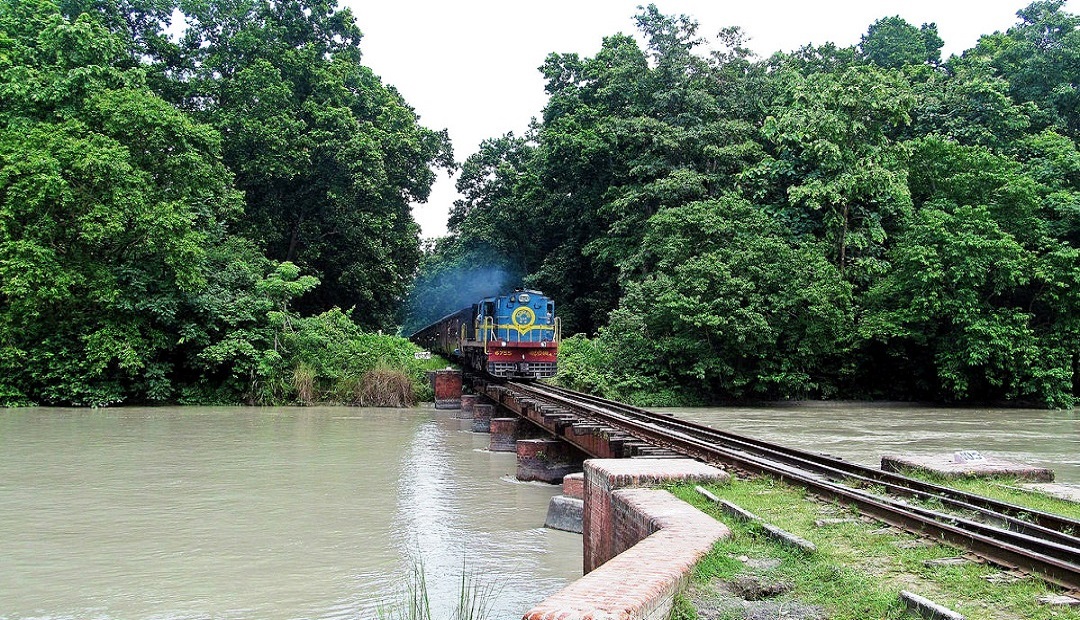
The Sharda River flows by the Kishanpur WL Sanctuary, the Geruwa River flows through the Katerniaghat WL Sanctuary and the Suheli and Mohana streams flow in the Dudhwa National Park, all of which are tributaries of the mighty Ghagra River. Some of the important taals are the Bankey, Kakraha, Amaha, Bhadi and Bhadraula. The taals, streams and rivers support a rich variety of turtle species, the Mugger crocodile, (Crocodylus palustris), the unique and endangered fish eating crocodile or Gharial (Gavialis gangeticus) as well as the Gangetic dolphin (Plantanista gangetica), which are found in the Geruwa.
Why It Matters
A Paradise for Nature Lovers
The Tiger Reserve, of immense importance to biodiversity, also plays a vital role in the maintenance of the water and climatic regime of the region, thereby sustaining its agricultural productivity and over all well being.
The existence of the Dudhwa Tiger Reserve undoubtedly influences in a host of ways, critical but not fully understood, the ecological balance of not only the region but also of our planet. With its varied topography, lush green landscape, extensive wetlands and remarkable biodiversity, the Reserve is an enviable paradise for nature loversand wildlife enthusiasts.
Of the nearly 1300 birds found in the Indian subcontinent, over450 species can be seen in the Reserve. These include Hornbill, Red Jungle Fowl, Pea fowl, Bengal Florican, Fishing eagle, Serpent eagle, Osprey, Woodpeckers, Shama, Indian Pitta, Paradise flycatcher, Orioles, Emerald dove etc. During winter the vastand varied water bodies attract a large variety and number of migratory birds making the reserve a favourite haunt of bird watchers.